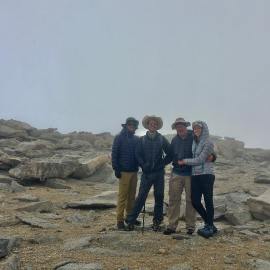
The constant takeaway after every backpacking trip is that I always want to go back. For whatever reason, I’m simply compelled to explore. There’s an underlying wanderlust in me — a deep curiosity to see, observe, and experience new places. I feel this urge is innate to who I am, perhaps passed down in some chromosomal way from my ancestors.
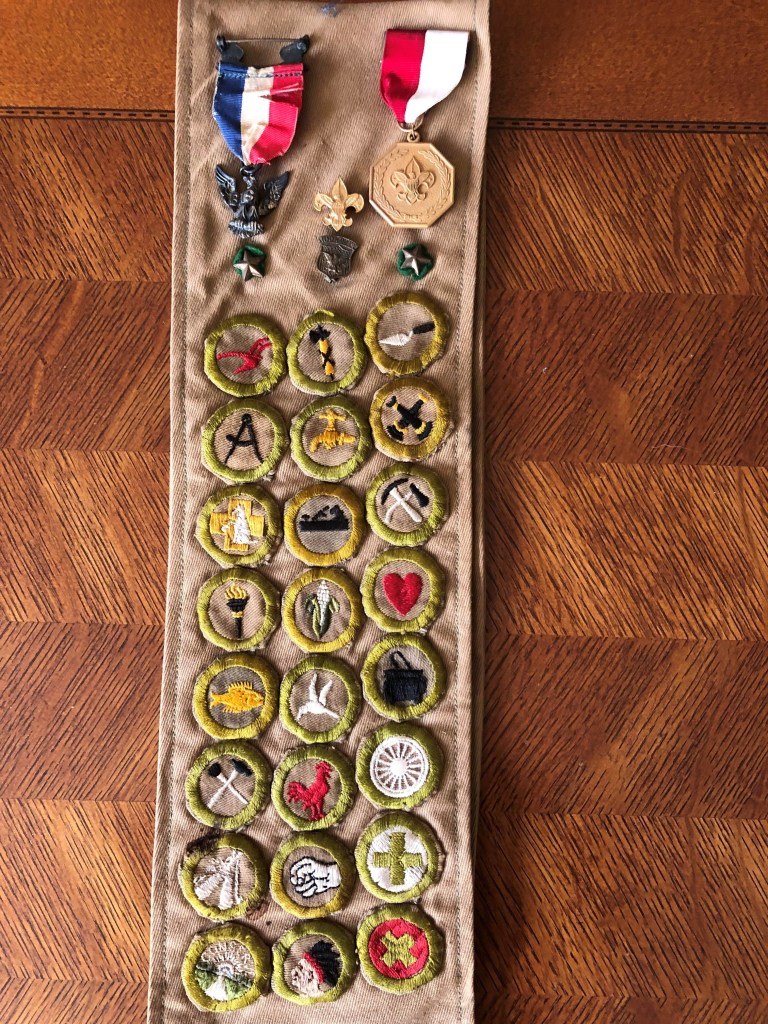
I still remember listening to my father’s stories of his California childhood and the time he spent with his father and brothers in the Sierra. I treasure those old, grainy black-and-white photos from the 1920s of my dad holding a stringer of 15-inch trout at Convict Lake in the eastern Sierra. He earned his Boy Scout Eagle Scout award hiking in and around the Sierras during the 1920s as a teenager. He was a true outdoorsman — an old soul at heart who loved nature and deeply believed in the conservation of our National Park treasures.
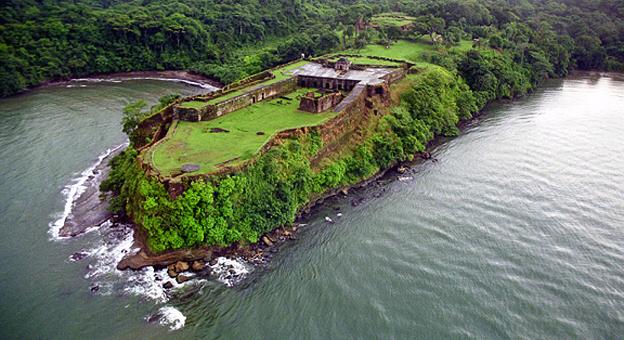
I was born and raised in the Panama Canal Zone, back when it still existed in the Republic of Panama. As kids, my friends and I spent our summers exploring the jungles and rainforests there. I was captivated by the incredible diversity of life—both flora and fauna—and the remarkable ways these plants and animals had adapted to their environment over time. In Panama, Dad would drive my friends and me down a jungle road that led to Fort San Lorenzo. With butterfly nets in hand, we would scamper along the gravel road, waiting for the elusive blue Morpho or swallowtail butterflies to appear. “Royal blue!” someone would yell (that’s what we called blue morphos)! We would give chase, swiping our nets through the air at the darting butterflies, their iridescent, brilliant blue wings glinting and flashing in the sun, tempting us on with the hope of adding to our insect collections.
As the searing tropical morning wore on, we kids would tire, and Dad would load us up and drive us farther down the road to Fort San Lorenzo—an historic, time-worn Spanish Main redoubt perched on a rocky promontory with a panoramic view of the Chagres River confluence emptying its fresh water into the Atlantic Ocean. There, my dad would explain how the famous pirate Captain Henry Morgan attacked and captured Fort San Lorenzo, and how he then set off up the Chagres River to eventually trek overland on the Las Cruces Trail and sack Panama City on the Pacific Coast of the isthmus. From those experiences, my sense of curiosity and adventure was born.
Sadly, my father and I never hiked together, nor did we ever spend time camping in the wilderness. I didn’t know at the time that my dad was already suffering from the oncoming effects of emphysema and a lung ailment called Valley Fever, which he had unwittingly acquired as a child in California’s Central Valley. My dad was 47 years old when I was born. By the time I turned 20, he was in his sixty-eighth year and in poor health. A year later, he was gone.

It’s a fact, witnessed by my personal experience, that trekking long miles on the trail gives one time to contemplate the twists and turns of life. Without delving too deeply into the psychology of it all, I’ve come to believe that backpacking connects me to my father in some meaningful way. There are seminal moments during an unyielding march when sore feet, achy knees, and heavy shoulders are screaming that they don’t have another step left in them. Yet, I find a way to take that next step, and the one after that, until I eventually arrive at my destination. It is in these moments—when I have dug deep and physically rallied myself forward—that I feel my Dad’s presence as my hiking emissary, pushing me along to camp. Framed that way, I think my Dad would be proud of me.
Taking long hikes or backpacking into isolated wilderness areas is not a recreation most people feel compelled to do. Walking miles on uneven dirt trails—kicking up dust, side-stepping rocks, pushing through sandy scree, splashing across creeks and rivers, tripping over tree roots, and plodding up steep climbs and granite steps—is physically demanding. When weighed against the relaxing option of watching a football game on the couch, it’s not a convincing trade-off for most people. Carrying a forty-pound backpack up steep switchbacks in the heat of the day, becoming drenched in sweat, and peering over a thousand-foot mountain cliff—knowing a single misstep could mean your doom—is not exactly a winning “let’s go backpacking” argument for most. Nor does the idea of setting up a tent and sleeping on an air mattress just inches from the ground, while listening to the disquieting sounds of a nighttime campsite, easily sway someone to trek into nature when they could instead be snuggled in the comfort of their own bed. I get it.
There is, however, an intrinsic, soul-baring, strip-it-down-to-the-basics, self-sufficient element to hiking and backpacking that allows one to delve deep into their own being. Though it can be done safely, one chooses to accept a degree of risk when hiking into the wilderness. You leave behind the predictable routines of civilized life for a few hours—or perhaps days—for the physical and austere hardship. Like a base jumper who steps off the edge of a mountain, you choose to trek into the unforeseen and an uncertain outcome. You must prepare well, all the while understanding that a simple misstep, misdirection, equipment failure, injury, or a change in weather or terrain could lead to potential disaster. For a few days, you completely rely on your preparation, know-how, equipment, and planning to see you through to the finish. In this respect, one must have done their homework and contingency planning.
To some, this risk is too much to bear. To some, the physical effort required and the sacrifice of civilized creature comforts aren’t outweighed by the soul-searching, the immensity of the mountains, the natural beauty, or the starry sky. Hiking and backpacking will either grab you by the heart and help you evolve, or you’ll walk away knowing it’s not your thing. I respect that decision.
 Pancanman trail tales